
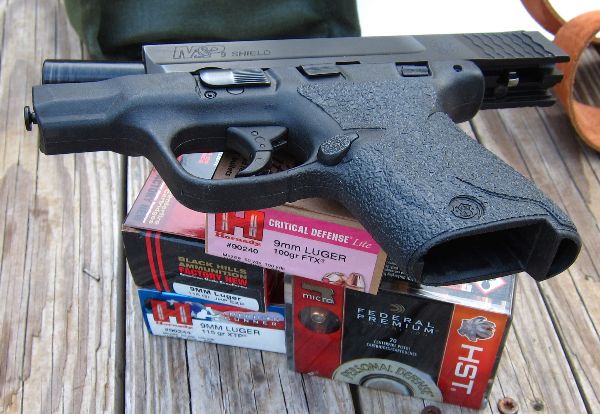
In 2012, Smith & Wesson came out with the micro-9mm pistol they called the Shield. Later, they ensured everyone knew it was the “M&P Shield,” but it was already a runaway best seller. An ergonomically correct, reliable little 7-shot 9mm striker pistol, the sights were good, the trigger wasn’t bad and the gun could be had with 8-shot magazines that gave the small finger someplace to grip.
The gun shot better than it had a right to. It wasn’t terribly snappy, at 19 ounces (unloaded), less than an inch wide with a slightly-over-3” barrel. And how did that short barrel use ballistics?
The 9mm, as commonly loaded, loses little in short barrels. It’s an efficient cartridge.
Well, that short sight radius has to compromise accuracy, right?
Not appreciably; you have less room for sighting errors. As Mas Ayoob noted, in a discussion on micro-9mm pistols, that short sight radius makes transitions – target to target or different aiming points on the same target – faster. This gives you more time to shoot better.
And better it shoots.
This line came at an era in my life when I was getting lots of windshield time. I was making a lot of drives to and from the area of our youth on family business. I was happy to get to do it, but discretion was called for. I’d been a cop forever, now retired, and some people just can’t understand.
Clumsily revealing that I was heeled wouldn’t serve the purposes of the trips and they were expensive.
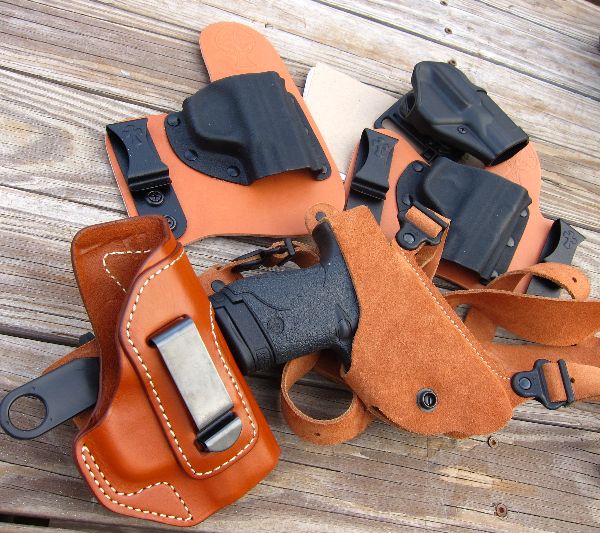
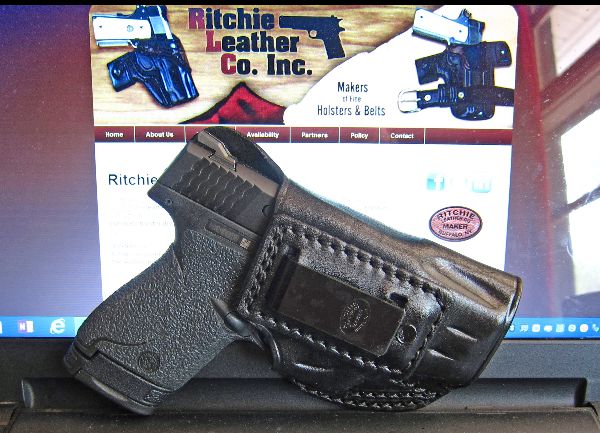
Enter the Shield. Remarkably, the industry responded quickly with holsters and there was such a variety. The gun was so small – yet big enough to shoot well – that it was easily hidden while being ready for quick access if needed.
I exclusively used the 8-shot magazines. They helped my grip, assisting my ability to shoot the gun well and 9 rounds of 9mm (backed by another 8-rounds in a spare magazine) gave me all I needed.
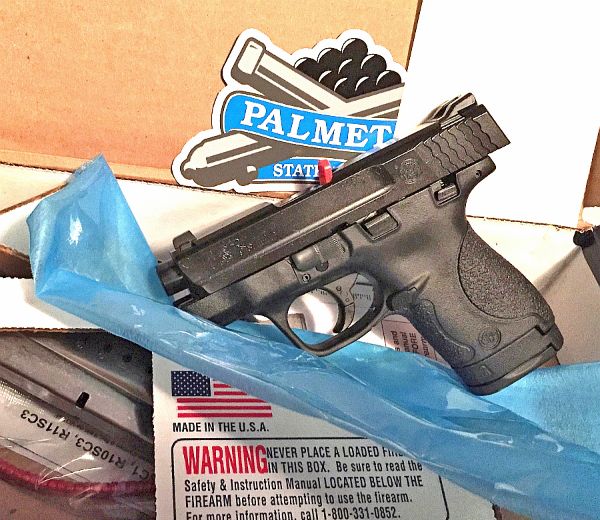
An Apex Tactical trigger went into the original Shield, as well as Ameriglo Sights. In the run-up to the Shield M2.0, M&P Shields were going for a song. I grabbed one through retail channels, called it the “Retail Shield” and did a long-term examination of the factory stock gun.
It’s a favorite.
I’d had various Shields come through. The wonderfully accurate M&P45 Shield and the M2.0 9mm Shield. Finally, the Shield Plus arrived. It wasn’t perceptibly bigger than the original but held more ammo.
Now the concept is adding “optics ready” to the Shield Plus; we have various and sundry Shields – various “E-Z” offerings and the Shield-X that I don’t understand.
Smith & Wesson made a lot of the pre-M2.0 Shields. They’re still out there. The M2.0 is still available (on the S&W website) in 45 ACP and in 40 S&W. I liked the 45, but never shot the Shield in 40.
The Shield Plus – the heir to the throne – is available in a bewildering number of SKUs.
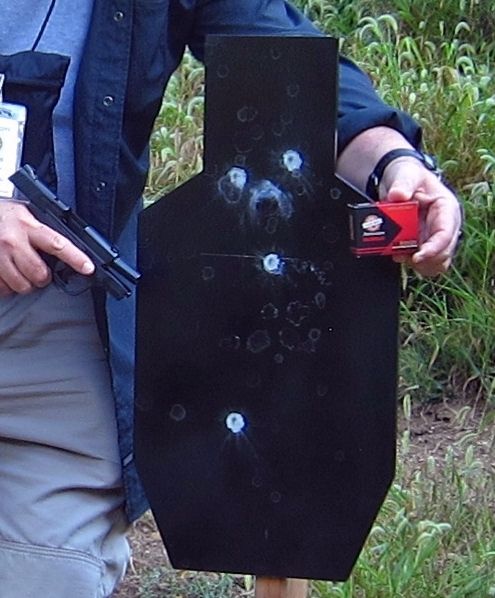
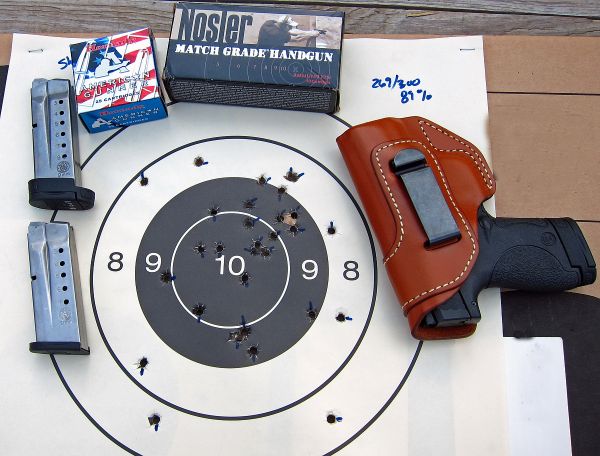
As far as shooting, I used the Shield when I took up the “ASYM” drill; on arriving to the range, my first shots were out of the Shield in my holster on a “C-Zone” steel target at fifty yards. The performance would inspire my range work on that trip.
I checked zero with my most common carry load for that gun, Hornady Critical Defense, at ten yards in those days. Now it’d be fifteen yards, all on a B-8 bull.
I shot several LEOSA qualification years with Shield pistols.
It was a great effort by Smith & Wesson and a great gun. It was the first really small 9mm pistol I liked.
And I still like it today.
– Rich Grassi